Finding the best news sources for graduate students feels impossible when you are already drowning in endless reading assignments. Your brain is entirely fried by dinner time. You want to know what is happening in the world, but sifting through bloated articles or doomscrolling social media simply adds to the exhaustion. Building a smart media diet fixes this. You need tools that actually respect your schedule.
Morning Brew
Starting your day with a massive wall of text is a terrible idea when you have a thesis chapter to write. Morning Brew delivers a daily email newsletter that breaks down major global events, business shifts, and tech updates into bite-sized pieces. It reads exactly like a text message from a well-informed friend. The writers strip out the dense jargon and focus on the core facts you actually need to know.
Finding the best news sources for graduate students usually means looking for brevity, and this newsletter nails it. This resource is best for scholars looking for a quick, conversational overview of the economy and general current events while drinking their first coffee. It gives you enough context to participate in pre-class small talk without requiring twenty minutes of deep reading.
The honest trade-off here is the casual tone. This might annoy you if you prefer traditional, serious journalism. It also relies heavily on sponsorships, meaning you have to scroll past native ads promoting corporate software to get to the actual stories.
NPR Up First
Listening to reporters discuss current events keeps your eyes free for actual academic research. NPR produces a highly polished podcast called Up First that drops every weekday morning. The hosts cover the three biggest stories of the day in roughly fifteen minutes.
They bring in field correspondents to provide genuine context rather than just reading headlines off a screen. You hear actual audio clips from press conferences and interviews, making the reporting feel very grounded. This option is best for commuters, people who walk across campus, and anyone who prefers absorbing information audibly instead of staring at another glowing screen.
The biggest downside is the limited volume. You only get three main stories per episode. If a massive cultural event breaks later in the afternoon, you will not hear a single update about it until the next morning unless you actively check a secondary application on your phone.
The Economist Espresso
Global affairs matter immensely, but lengthy geopolitical analyses take far too much energy to digest after hours of studying. The Economist offers a streamlined companion app and daily email called Espresso. It serves up five incredibly short summaries of international stories along with a brief look at the Asian, European, and American markets.
Also Read: Easy News Reading Tips for High Schoolers 2026
The interface is clean, distraction-free, and very easy to navigate when you are half awake. It is best for political science, economics, and international relations cohorts who genuinely need a fast, reliable snapshot of the global stage before heading to seminars.
The trade-off is the reading experience itself. The writing is incredibly dense and entirely lacks the lighthearted humor you find in other daily briefs. You also hit a hard paywall fairly quickly if your university does not provide a free institutional subscription.
Nature Briefing
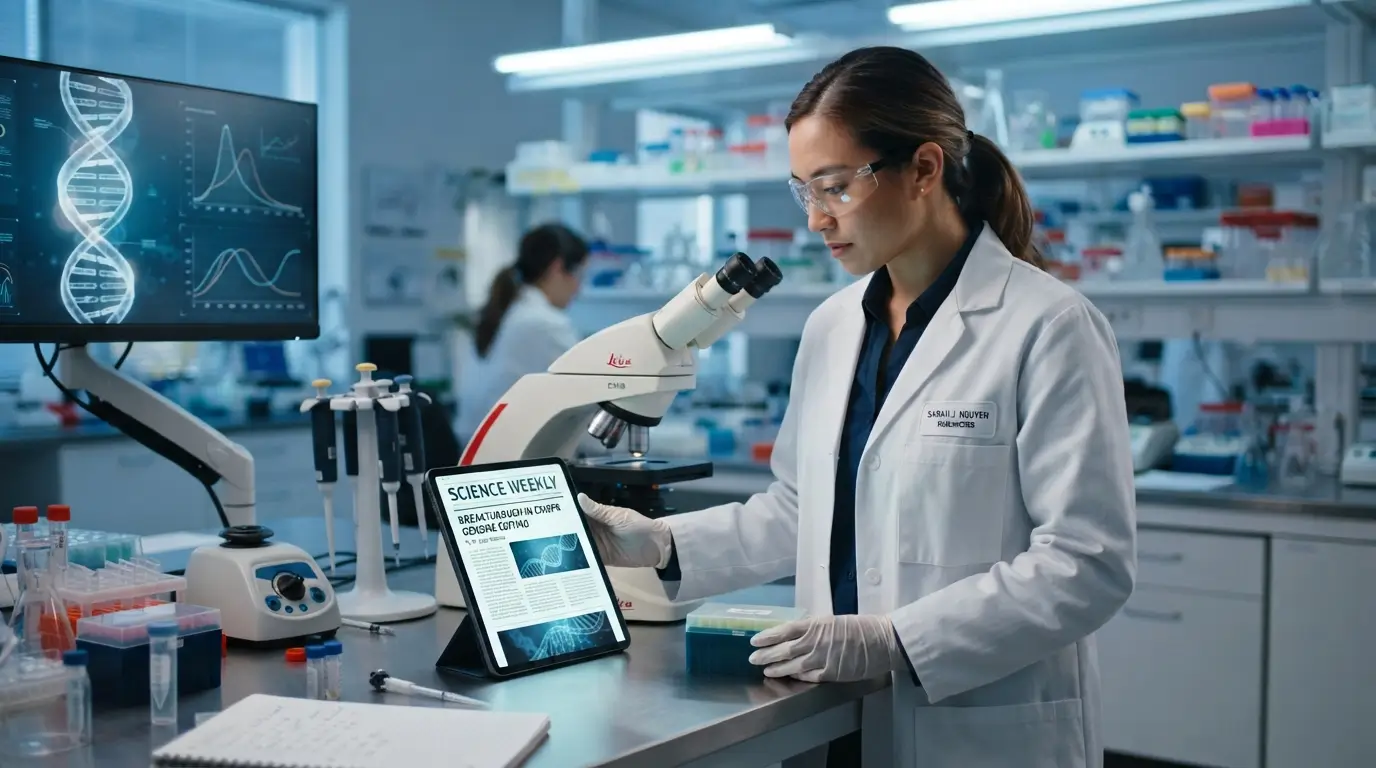
STEM researchers often complain that mainstream publications totally butcher scientific coverage. The Nature Briefing is an incredibly popular daily newsletter written specifically by and for science enthusiasts.
It rounds up crucial developments across biology, physics, climate science, and emerging technology. The editors link directly to original papers, saving you the hassle of hunting down the primary sources yourself. This brief is absolutely best for anyone working in a wet lab, running statistical models, or studying physical sciences. It filters out the mainstream noise and points you directly to peer-reviewed breakthroughs.
The glaring downside is the narrow focus. Humanities majors will likely find this completely useless. The content remains highly specialized, meaning you still need another outlet to keep up with general political elections, pop culture happenings, or major social movements.
The New York Times Morning Newsletter
Legacy media still holds a tremendous amount of value for deep, investigative reporting. The New York Times compiles their top stories into a daily morning brief authored by veteran journalists. They typically pick one major story to analyze in significant depth, followed by quick bullet points on other news items. You get a taste of their renowned culture, arts, and sports coverage at the very bottom of the email.
This newsletter is best for students who want a reliable, traditional perspective on national politics without navigating a chaotic homepage. The lead essay often provides fantastic analytical frameworks. The trade-off is the strong domestic bias.
It leans heavily into United States politics. International students might feel their home countries are ignored entirely unless a massive crisis occurs, and the deep dive section drags on if the featured topic does not interest you.
Customizing the Best News Sources for Graduate Students Using Feedly
Building your own custom feed is sometimes the only way to get exactly what you want. Feedly operates as a smart RSS reader where you manually subscribe to specific blogs, academic journals, and major publications. All those distinct articles flow seamlessly into one clean interface.
You essentially become your own editor. This platform represents one of the best news sources for graduate students compiling a massive literature review or tracking highly niche topics. The algorithm never feeds you clickbait because there is no algorithm dictating your feed. You only see what you explicitly choose to follow. The trade-off is the steep setup process.
You have to hunt down specific RSS links and organize your own folders. If you forget to check it regularly, the unread count quickly spirals out of control and becomes a massive source of anxiety.
Ground News
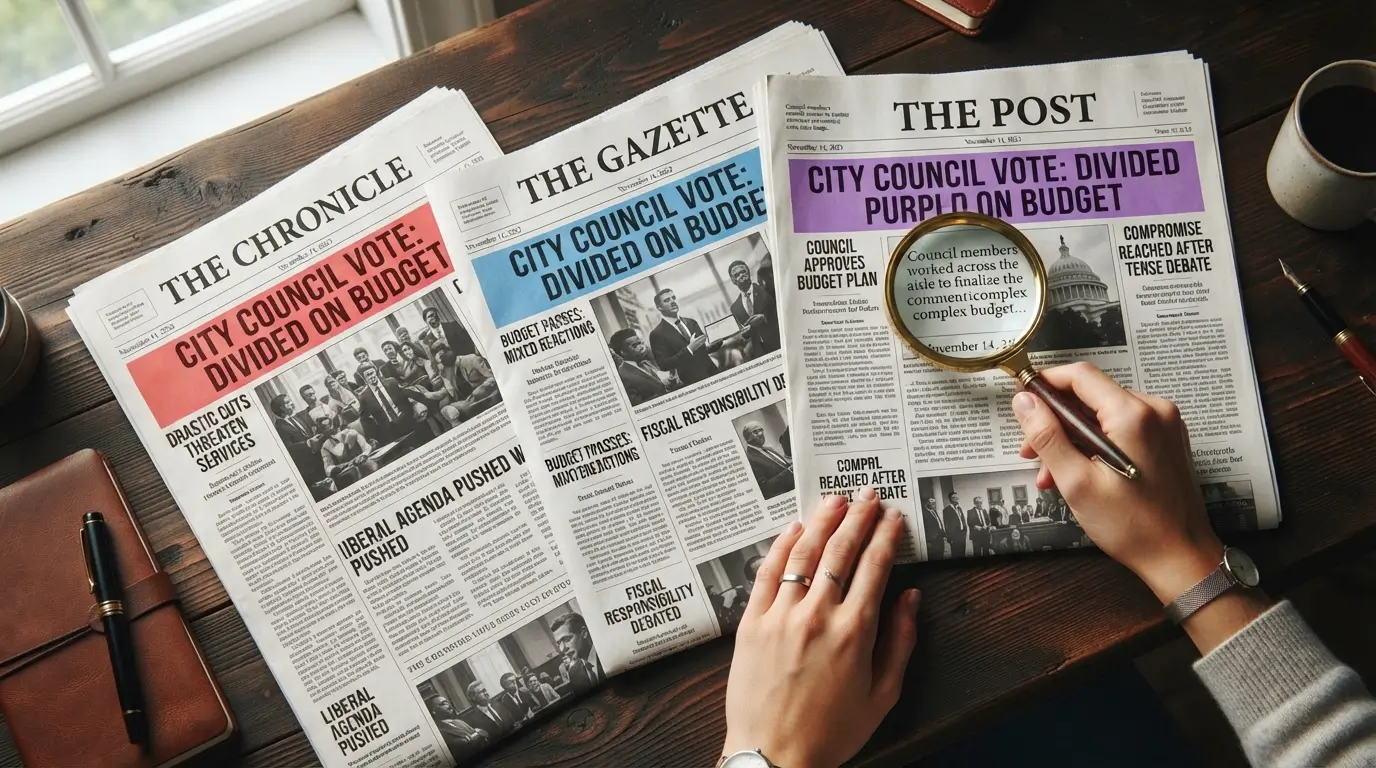
Echo chambers ruin critical thinking skills. Ground News approaches current events quite differently by aggregating headlines and showing you how competing publications spin the exact same story. It assigns a clear bias rating to each article so you can instantly see if a story is being ignored by a specific side of the political spectrum.
They also highlight who owns the media conglomerates publishing the pieces. This platform is best for sociology, journalism, and history scholars who care just as much about how a story is framed as the actual concrete facts of the event. The honest downside is the mental load. The platform can feel visually overwhelming at first glance. Comparing three different headlines for one single event takes far more mental energy than simply reading a straightforward summary. The most interesting analytical features also sit behind a premium subscription.
The Skimp
Stripping away complicated jargon makes heavy topics much easier to handle. The Skimm built its entire brand on rewriting complex current events into short, punchy paragraphs. They patiently explain the historical background of a situation before telling you why it matters right now. The formatting relies heavily on short sentences to keep your eyes moving down the page. This is best for stressed individuals who want a completely frictionless reading experience.
If you feel totally out of the loop on a looming political race, they catch you up in exactly two minutes. The trade-off is the writing style. The tone is notoriously cheesy. The writers use a lot of puns and internet slang, which sometimes feels incredibly inappropriate when they are covering serious global conflicts or devastating natural disasters.
The Atlantic Daily
Sometimes you want analysis rather than just a dry list of facts. The Atlantic Daily delivers a deeply thoughtful newsletter focusing on the big ideas shaping our culture. When evaluating the best news sources for graduate students, you have to consider the value of deep reflection over constant updates. Instead of throwing twenty headlines at you, the author focuses on one overarching theme.
They explore the philosophical, social, or historical implications of whatever is dominating the news cycle that day. This reads best for humanities scholars, writers, and deep thinkers who enjoy beautiful prose. It offers a slower, more deliberate approach to understanding the world that feels very refreshing compared to rapid-fire alerts. The obvious downside is the lack of urgency.
You will not get breaking alerts here. If a major market crash happens overnight, this newsletter will not give you the immediate statistics. It requires a slightly longer attention span and a willingness to engage with lengthy opinion pieces.

Frequently Asked Questions
How do I access premium publications for free as a student?
University libraries often pay for institutional subscriptions to major outlets. Check your student portal or ask a campus librarian. Many top tier sites offer free or heavily discounted digital access simply by registering with your university email address. Always look for academic discounts before paying full price.
Are daily newsletters better than news apps for busy scholars?
Newsletters generally win because they have a definitive end. Once you read the email, you are finished. Apps rely on endless feeds and breaking alerts designed to keep you scrolling. A morning email forces you to read the highlights and get back to your actual coursework.
What are the best news sources for graduate students researching highly specific niches?
Aggregators provide the most value for highly specialized topics. Setting up custom alerts or using a dedicated RSS reader allows you to pull directly from niche journals and industry blogs. This ensures you never miss a development in your specific field of study without wasting time.
How can I avoid doomscrolling while trying to stay informed?
Set a strict time limit for your media consumption. Give yourself fifteen minutes during breakfast or while drinking your morning coffee. Once the timer goes off, close the browser. Consuming information intentionally prevents the endless cycle of negative headlines from ruining your daily research productivity.
Should I rely entirely on social media for current events?
Social platforms fail as primary information tools because algorithms prioritize outrage over accuracy. You miss important context when reading short viral posts. Using curated briefs or listening to a reputable daily podcast ensures you get factual reporting without the toxic commentary found in public comment sections.
Conclusion
Finding a healthy balance between your academic workload and global awareness requires intention. Pick one or two outlets that fit naturally into your existing routine rather than forcing yourself to read everything. What daily brief are you going to try out tomorrow morning?
One thought on “Best News Sources for Graduate Students 2026”