Figuring out easy news reading tips for high schoolers feels impossible when your timeline is already packed with useless internet drama. You want to know what is happening globally without reading a boring textbook. The secret is completely changing where and how you get your updates. A few simple, realistic tweaks can turn a confusing chore into a fast daily habit you actually enjoy doing.
The Best Easy News Reading Tips For High Schoolers Involve Newsletters
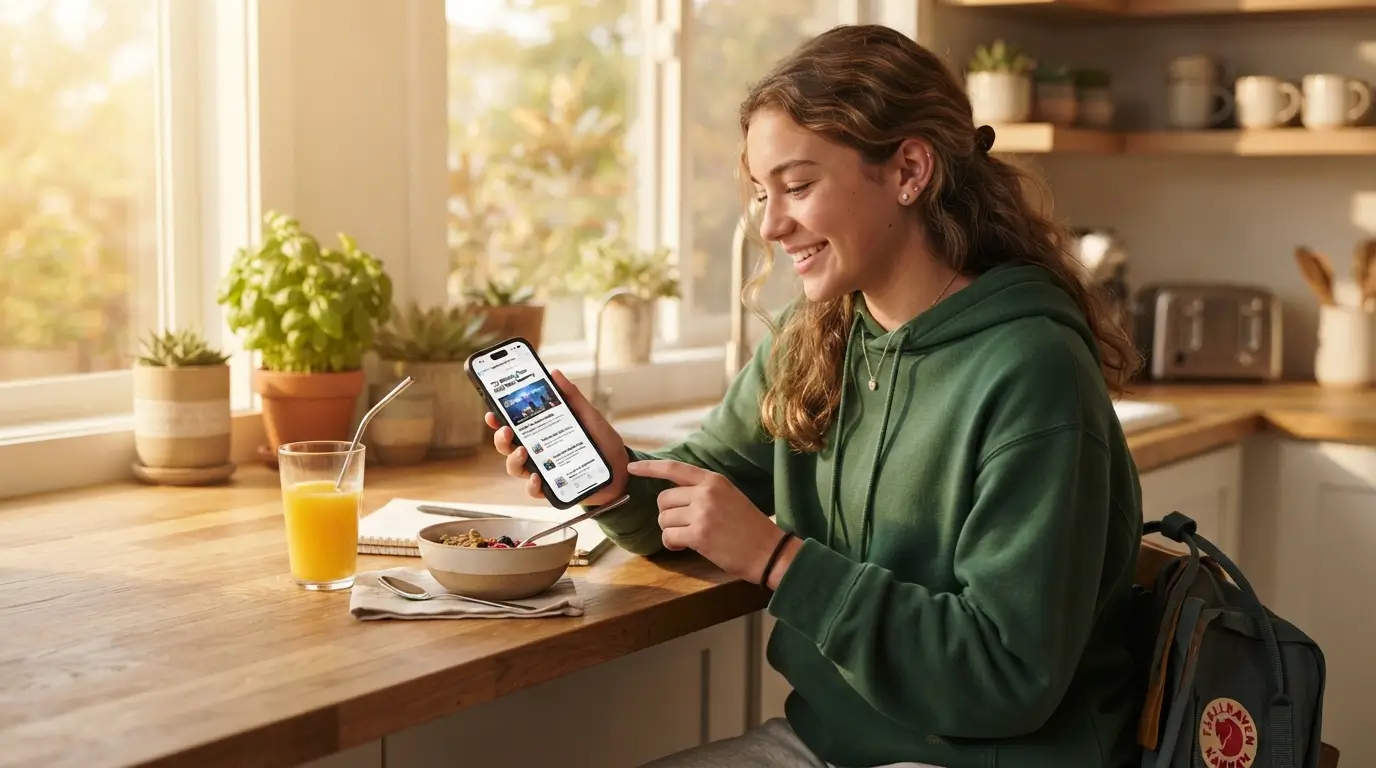
Getting your updates straight to your inbox completely eliminates the distraction of social media algorithms. A newsletter summarizes everything important from the last twenty four hours in a clean format you can scan quickly. You skip the endless scrolling and get straight to the facts. Popular options like The Skimm or RocaNews are literally built to explain heavy topics in simple language.
These emails break down global events so anyone can understand the context without needing a political science degree. I recommend subscribing to just one general daily newsletter to start. Having five different emails piling up will only stress you out. Open it while eating breakfast or waiting for your first class to begin.
This small routine shift instantly cuts out the noise and gives you control over your information diet. A common mistake is signing up for highly technical financial newsletters right away. Stick to general daily briefs until you feel comfortable tracking major ongoing stories.
Follow Individual Journalists Instead of Nameless Brands
Many teens hate watching traditional broadcasts because the anchors feel stiff and disconnected from reality. A better strategy is finding specific reporters on platforms like Instagram or TikTok who explain things conversationally. Finding independent journalists often breaks down complex legislation or international conflicts using maps and straightforward graphics. You get the exact same information but presented in a way that actually makes sense.
Look for verified reporters who cite their sources visibly in their videos or captions. This helps you avoid random influencers who spread misinformation for engagement. Following real people makes current events feel like a genuine conversation rather than a lecture. Just make sure you follow reporters with different backgrounds to get a balanced view of major topics.
Relying entirely on one person leaves you with huge blind spots regarding how different communities experience the exact same event. Finding three solid voices gives you enough variety without cluttering your feed.
Listen to Daily Summary Podcasts on the Bus
Audio updates are a massive cheat code for anyone who hates staring at articles. Throwing on a quick podcast during your morning commute turns dead time into something productive. Shows like Up First by NPR or The Daily give you a deep dive into the biggest stories of the morning in under twenty minutes. You hear interviews, background context, and clear explanations through daily summary podcasts while simply staring out the window.
This completely removes the friction of having to actively sit down and read something. You can even listen while walking between classes or getting ready in the morning. A great habit is playing an episode at a slightly faster speed to get through the information even quicker.
The biggest trap here is picking shows that run for two hours. Long commentary podcasts usually wander off topic and waste your time. Stick strictly to short daily news summaries that respect your schedule.

Set a Strict Ten Minute Timer Every Single Day
Treating current events like a massive research project is the fastest way to burn out. You do not need to know every single detail about every ongoing situation. Give yourself exactly ten minutes to check the top stories and then force yourself to close the app. Applying easy news reading tips for high schoolers means setting strict boundaries around your consumption.
Setting a physical timer creates a limit that prevents doom scrolling through negative stories. You grab the essential facts and move on with your life. This boundary is incredibly important for protecting your mental health when heavy global events dominate the headlines. Staying informed should never come at the cost of your own sanity.
Skim the top three headlines of the day and maybe read one full article that catches your eye. Once the timer goes off, you are officially done. Trying to absorb too much detail at once makes it harder to remember anything later. Keep it brief and consistent.
Read Past the Headline to Avoid Clickbait Traps
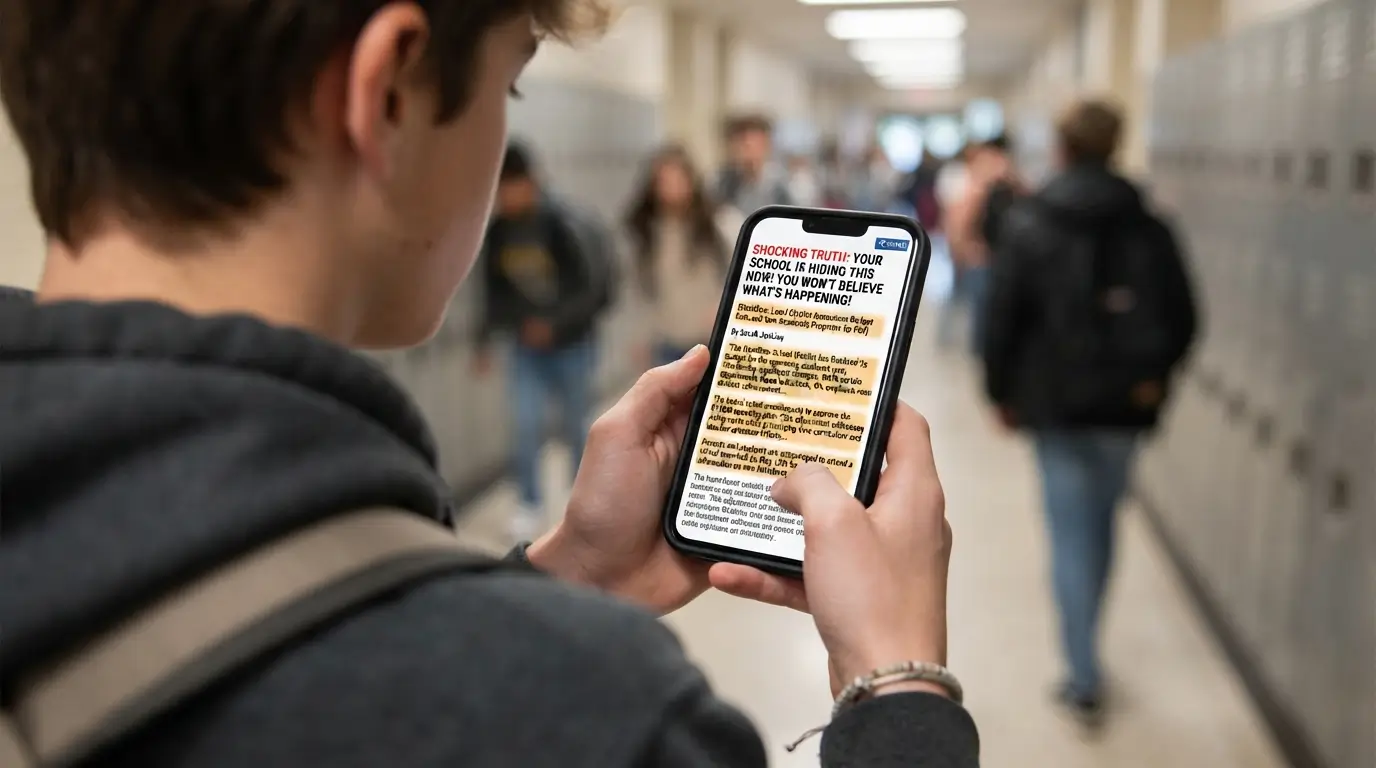
Publishers write headlines specifically to make you angry, curious, or panicked enough to click. Judging a situation based solely on an aggressive title is a terrible idea. You have to open the article and read the first three paragraphs to understand the actual context. The opening sentences usually contain the most critical facts, while the rest of the piece provides background quotes and history.
A non-negotiable step is checking the date on the article before you panic. Old stories constantly resurface on social media and cause unnecessary anxiety because people assume they are breaking updates. Taking thirty seconds to verify the source and the timeline completely changes how you view a story.
One of the most effective easy news reading tips for high schoolers is simply checking if another outlet is reporting the same thing. If only one highly opinionated blog is talking about a massive scandal, it is probably completely fake or wildly exaggerated. Always look for a second source.
Follow Topics You Actually Care About First
Forcing yourself to read dry economic reports when you have zero interest in finance will just make you quit. Start by tracking subjects that naturally grab your attention. If you love technology, follow updates about artificial intelligence, new gadgets, or space exploration. If music is your passion, track the business side of the entertainment industry or copyright lawsuits involving major artists.
Understanding how current events impact your specific hobbies makes the whole process feel relevant. Once you get comfortable tracking your favorite subjects, you will naturally start picking up on broader political or global issues connected to them.
A new tech regulation might introduce you to how Congress passes laws. This organic learning style works so much better than forcing yourself to memorize random political names. Do not feel guilty for skipping stories that bore you to tears. Building a reliable habit requires starting with material you genuinely want to understand.
Discuss Current Events With Your Friends Offline
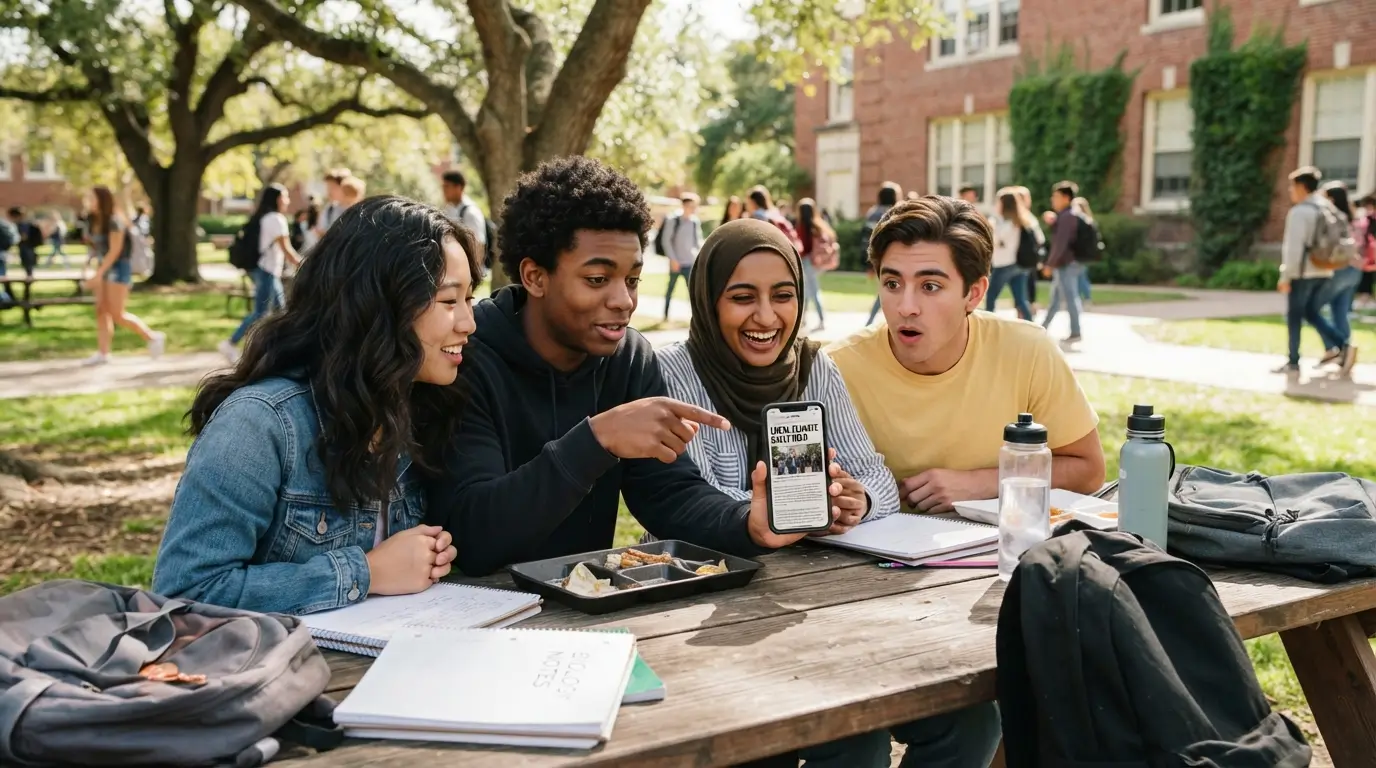
Talking about what is happening in the world helps solidify the information in your brain. Bring up a strange article you read while eating lunch or walking home with your friends. You might be surprised to find out they saw the exact same story on their feed but understood it completely differently.
Prioritizing sharing perspectives offline removes the toxic arguing that happens in internet comment sections. You can ask questions, admit when you are confused, and figure out the context together. Discussing topics out loud is a fantastic way to practice forming your own opinions based on facts rather than just repeating what an influencer said.
Also Read: Quick News Catch Up Methods for Last Minute Meetings 2026
Sharing easy news reading tips for high schoolers with your friend group can even turn staying informed into a shared project. You can send each other interesting links or recommend podcasts that explain things well. Having a small community makes the entire experience feel much less isolating and significantly more engaging.
FAQs
How do I know if a source is completely fake?
Always check the URL to see if it mimics a real publisher but has a weird spelling. Look for an author name and clear citations. If the site uses intense, emotional language and lacks a publication date, you should probably avoid trusting the information entirely.
What are the best easy news reading tips for high schoolers looking to save time?
The fastest method is subscribing to a daily summary newsletter like RocaNews. You get the top stories delivered in a readable format every morning. Using audio podcasts during your bus ride is another massive time saver that requires zero extra room in your schedule.
Should I debate current events on social media?
Engaging in arguments with strangers online is generally a massive waste of your energy. Internet comment sections rarely change minds and usually just increase your stress levels. Have those complicated conversations offline with real life friends where you can actually hear tone and nuance.
Why does checking updates make me feel so anxious?
Media companies rely on negative headlines to keep people clicking. Exposing yourself to a constant stream of global tragedies naturally causes severe anxiety. You must set a strict daily time limit on your reading and actively seek out positive or neutral stories to balance your feed.
Do I really need to care about politics right now?
You do not need to obsess over every minor political argument, but understanding major policies is crucial. Local and national decisions directly impact your school funding, your future job market, and your rights. Knowing the basics gives you the power to advocate for yourself.
Conclusion
Building a reliable information habit does not mean you have to abandon your hobbies or stress yourself out. You hold the power to control what you read and how much time you dedicate to it. What topic are you planning to start tracking tomorrow?
One thought on “Easy News Reading Tips for High Schoolers 2026”