You just turned eighteen and everyone around you expects you to have strong political opinions, but honestly, most news coverage reads like a foreign language. That is exactly why beginner friendly news explainer sites for first time voters exist, and they are genuinely a lifeline. I remember staring at my first ballot feeling completely unprepared, wishing someone had pointed me to these resources sooner.
Why Beginner Friendly News Explainer Sites for First Time Voters Matter
Most mainstream news outlets write for people who already follow politics daily. They throw around terms like “filibuster,” “gerrymandering,” and “executive order” without pausing to explain what any of it actually means. If you grew up scrolling TikTok instead of watching cable news, that wall of jargon hits hard. You end up scrolling past headlines you half understand and hoping no one asks your opinion at dinner. The gap between what you learned in civics class and what actually shows up on a real ballot is wider than anyone ever tells you.
I spent weeks before my first election bouncing between angry Twitter threads and confusing cable segments, trying to figure out where candidates actually stood on issues I cared about. Nothing clicked until I found beginner friendly news explainer sites for first time voters that treated me like a smart person who just needed context, not a political science lecture.
The platforms below do exactly that. They strip away the noise, skip the partisan yelling, and give you the background you need to walk into a voting booth with actual confidence. No condescension, no ten thousand word essays on parliamentary procedure. Just clear, honest breakdowns that respect your time and your intelligence, which is honestly the bare minimum you deserve as a new voter trying to make sense of it all.
1. Axios
Axios built its entire brand around something called Smart Brevity, which is basically their way of saying they will not waste your time. Every article opens with a bold headline, a one sentence summary, and a “Why it matters” section that tells you exactly why you should care.
I started reading Axios during the 2020 election cycle when I had zero patience for long form opinion pieces. Their morning newsletter, Axios AM, gives you the biggest stories in about five minutes. The tone stays neutral, the formatting is clean, and you never feel like you are being talked down to.
2. The Skimm
The Skimm started as a newsletter two friends wrote from their couch, and it still reads like a text from someone who actually gets it. Each morning email breaks down the top headlines in plain English with a little humor sprinkled in.
They also have a “Skimm This” section that zooms in on one complicated topic and walks you through the full backstory. IMO, this is the easiest entry point if you currently get all your news from Instagram infographics. The tone is casual without being shallow, and they cover elections extensively every cycle.

3. Vox
Vox practically invented the modern explainer format, and their Card Stacks feature remains one of the best tools for understanding complex policy debates. Each card stack breaks a big issue into bite sized slides you can swipe through on your phone.
Their longer articles go deep on context, answering the “how did we get here” question that most outlets skip entirely. I relied heavily on Vox when I was trying to understand the Electoral College for the first time. Fair warning, their pieces run long sometimes, so save those for weekends when you have extra reading time.
4. Ground News
Ground News does something no other platform on this list does. It shows you how the same story gets covered across the political spectrum, labeling each source as left, center, or right leaning.
You can literally see which stories get ignored by certain outlets, which is a powerful way to spot blind spots in your own media diet. I started using Ground News after realizing I only ever read headlines that confirmed what I already believed. The free version gives you plenty to work with, though the premium tier offers deeper bias analysis if you want to go further.
5. AP News
The Associated Press is the wire service that most other news outlets pull their raw reporting from, which means you are getting the story before anyone adds a spin to it. AP News articles are short, factual, and almost aggressively neutral.
Also Read: Top News Fact Checking Methods for Retired Seniors 2026
There are no hot takes, no dramatic headlines, just the information you need to form your own opinion. I treat AP as my baseline source. When I see a wild claim on social media, I check AP first to see if it actually happened. Their election coverage is especially thorough and refreshingly boring in the best possible way.

6. BBC News
BBC News brings a global perspective that American outlets rarely match, and their writing style is remarkably clear even when covering dense political topics. Their Reality Check segment is a personal favorite because it directly fact checks viral claims and political statements without the theatrical drama you see on cable TV.
The site covers US elections extensively despite being UK based, and their explainers on how American government works are surprisingly useful for domestic readers. If you want news that feels calm and measured instead of breathless and sensational, BBC is a strong daily habit to build.
7. Teen Vogue
Do not let the name fool you. Teen Vogue pivoted hard into political journalism several years ago, and their politics section now covers voting rights, reproductive policy, and climate legislation with real depth.
The writing speaks to younger readers without dumbing anything down, which is a rare balance to strike. I stumbled onto their voter guides during a midterm election and was genuinely impressed by how clearly they broke down ballot measures. They also publish practical pieces on how to register, what to bring to the polls, and how to research local candidates.

8. The 19th
Named after the 19th Amendment, this nonprofit newsroom focuses on the intersection of gender, politics, and policy in ways that mainstream coverage often misses. Their reporting is deeply reported and carefully sourced, but the language stays accessible throughout.
I appreciate that they cover topics like childcare policy, pay equity, and voting access with the same seriousness that other outlets reserve for tax reform. The 19th is free to read with no paywall, which matters a lot when you are a young voter on a tight budget and just trying to stay informed.
9. Newsela
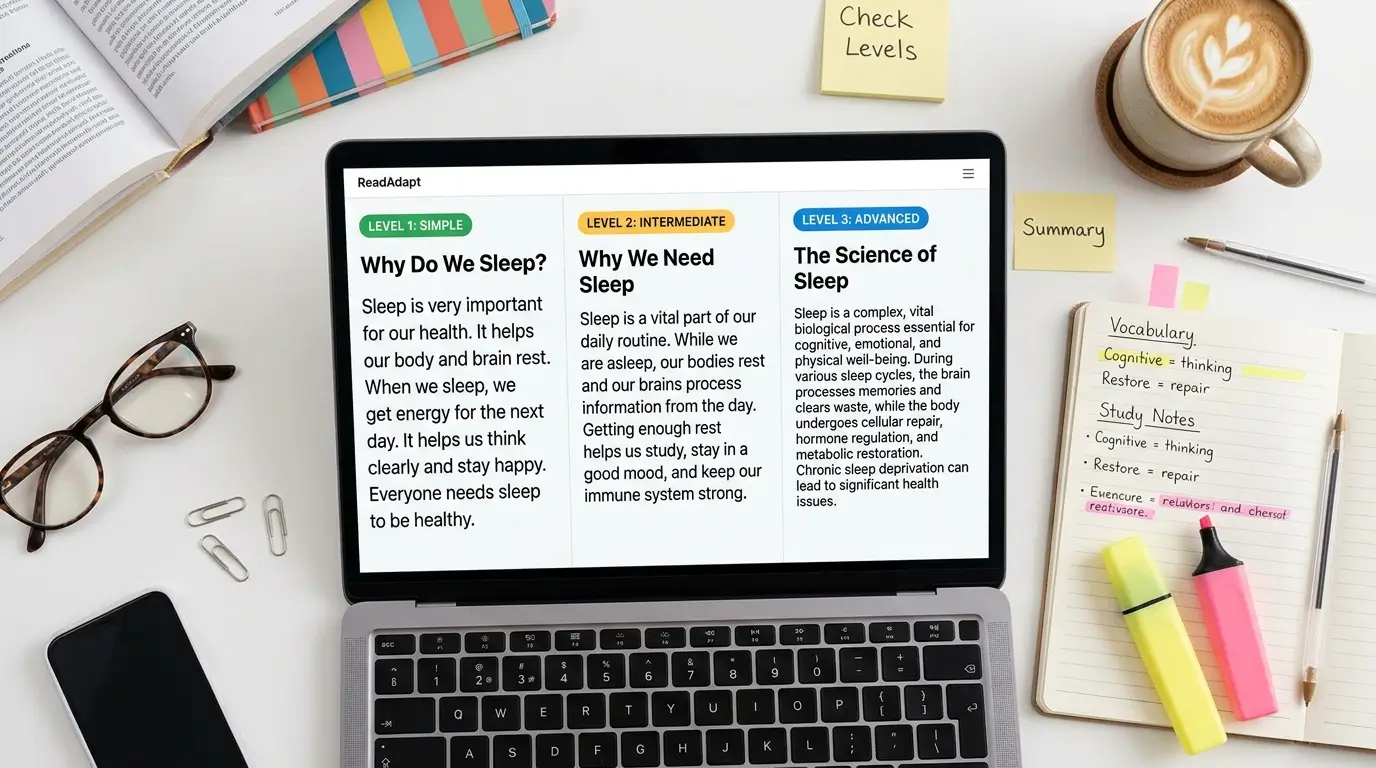
Newsela takes real news articles from sources like the Washington Post and Associated Press, then rewrites them at multiple reading levels so you can choose how complex you want the text to be.
It was originally built for classrooms, but plenty of adults use it to build their news literacy from scratch. For anyone hunting for beginner friendly news explainer sites for first time voters, this is an underrated pick. You start at a simpler level and gradually work your way up as the vocabulary becomes more familiar. No judgment, no gatekeeping, just steady progress at your own pace.
Frequently Asked Questions
Are these news sites free to use?
Most of the sites on this list are completely free, including AP News, BBC News, and The 19th. Axios and Vox offer free articles with optional paid tiers for extra features. Ground News has a free version with limited features. Teen Vogue and The Skimm are free, though The Skimm also offers a premium subscription for deeper content.
How do I know if a news explainer site is actually unbiased?
No source is perfectly neutral, but you can check ratings on Media Bias/Fact Check or AllSides to see where a site leans politically. The best approach is reading the same story across two or three sources from this list and comparing how each one frames the facts. That simple habit alone will sharpen your media literacy surprisingly fast.
What beginner friendly news explainer sites for first time voters cover local elections?
Local coverage is trickier since most national sites focus on federal races. AP News does cover state and local elections, and Teen Vogue occasionally highlights local ballot measures. For truly local races, your best bet is pairing these national explainers with your city or county newspaper and your local public radio station for the most complete picture.
Can I rely on social media news accounts instead of these sites?
Social media accounts can point you toward important stories, but they rarely give you enough context to actually understand the issue. Algorithms also prioritize outrage over accuracy, which means your feed is probably more polarized than you realize. Use these explainer sites as your foundation and treat social media as a supplement, not your main source of information.
How often should I check these sites before an election?
You do not need to read news every single day to be an informed voter. Checking two or three times a week in the month leading up to an election is plenty for most races. Focus on understanding the major issues and candidate positions rather than chasing every breaking headline that crosses your feed throughout the entire day.
Conclusion
Picking even two or three of these sites and making them part of your weekly routine will put you miles ahead of most voters your age. You do not need to become a politics nerd overnight, just curious enough to start small and let your confidence grow with every election cycle. What was the very first news source that actually made politics click for you?
One thought on “Beginner Friendly News Explainer Sites for First Time Voters 2026”