Scrolling through your feed at 8 AM before a lecture and realizing you have absolutely no idea what happened in the world overnight is a genuinely weird feeling. I spent my entire sophomore year pulling headlines from random Twitter threads until I finally tracked down the best daily news sources for college students that actually fit into a chaotic, unpredictable schedule.
How I Chose the Best Daily News Sources for College Students
I kept it simple because finding the best daily news sources for college students should not require a research project of its own. Every source on this list had to meet three non negotiable criteria: it needed to load fast on a cracked phone screen, deliver the actual story without burying it under layers of opinion, and take no more than ten minutes to get through from start to finish.
I tested each one for at least a full month during a semester when I was juggling 18 credit hours and a part time job at the campus library. If I stopped opening it after week two, it did not make the cut. No exceptions, no matter how popular it was or how many people on Reddit swore by it.
1. The Skimm
The Skimm lands in your inbox every morning around 6 AM and reads like a smart friend texting you the headlines over coffee. The tone is casual without being condescending, which is honestly rare for news summaries aimed at younger readers.
I used this every single day during finals week when I had zero time but still wanted to sound like a functioning adult at dinner. Each email takes about five minutes to read, and the links to full stories are clean and genuinely easy to follow on a phone.
2. Morning Brew
Morning Brew started as a college dorm project and it still feels like someone built it who truly understands what a Tuesday morning looks like when you have three papers due. The writing is witty, the formatting is scannable, and the business focus gives you real talking points for internship interviews.
The one thing I will say is that it leans heavily toward finance and tech news. If you want broader political or international coverage, you will need to pair it with something else to round out your morning routine.
3. NPR Up First
This is a ten minute podcast, and I mean exactly ten minutes, not a second more. I listened to it every morning while walking across campus from the bus stop to my 9 AM class, and it consistently covered the three biggest stories of the day with real context.
The hosts do not talk down to you or pad the runtime with filler segments. It is the closest thing to having a knowledgeable roommate who briefs you over breakfast before you both rush out the door.
4. AP News
AP News is the no nonsense option on this list, and I mean that as a genuine compliment. No commentary, no hot takes, just straight reporting from one of the most trusted wire services in the entire world. I kept it pinned on my home screen during election season when every other source felt like it was trying to sell me a specific perspective.
The app loads fast even on terrible campus WiFi, and the push notifications are fully customizable so you only get alerts for topics you actually care about.
5. The 1440
If you want all the news in under five minutes, The 1440 actually delivers on that claim every single day. The format is a single email with bullet points organized by category, covering politics, science, sports, and culture without any editorial spin whatsoever.
I discovered this one during my junior year and immediately switched from reading three separate newsletters to just this one. It is the most efficient option on this entire list, and the total lack of bias is genuinely refreshing.
6. Reuters
Reuters is a global wire service, and its app gives you access to breaking news from basically every corner of the world in real time. I relied on it heavily during a semester abroad when I needed to follow both US and European headlines from a single place.
The interface is a little dense compared to flashier apps, and the sheer volume of stories can feel overwhelming at first glance. Once you set up your topic preferences, though, it quickly becomes one of the most comprehensive tools available for serious readers.
7. BBC News
For a perspective that most American outlets simply do not provide, the BBC News app is hard to beat. The international coverage is genuinely unmatched, and the writing style is straightforward without being dry or boring. I started using it after a political science professor recommended it during office hours, and it stuck with me for the rest of my degree.
The video clips embedded in articles are short and actually informative, which makes it great for quick consumption between classes. My only gripe is that the US specific coverage can sometimes feel a bit surface level compared to domestic sources.
8. Ground News
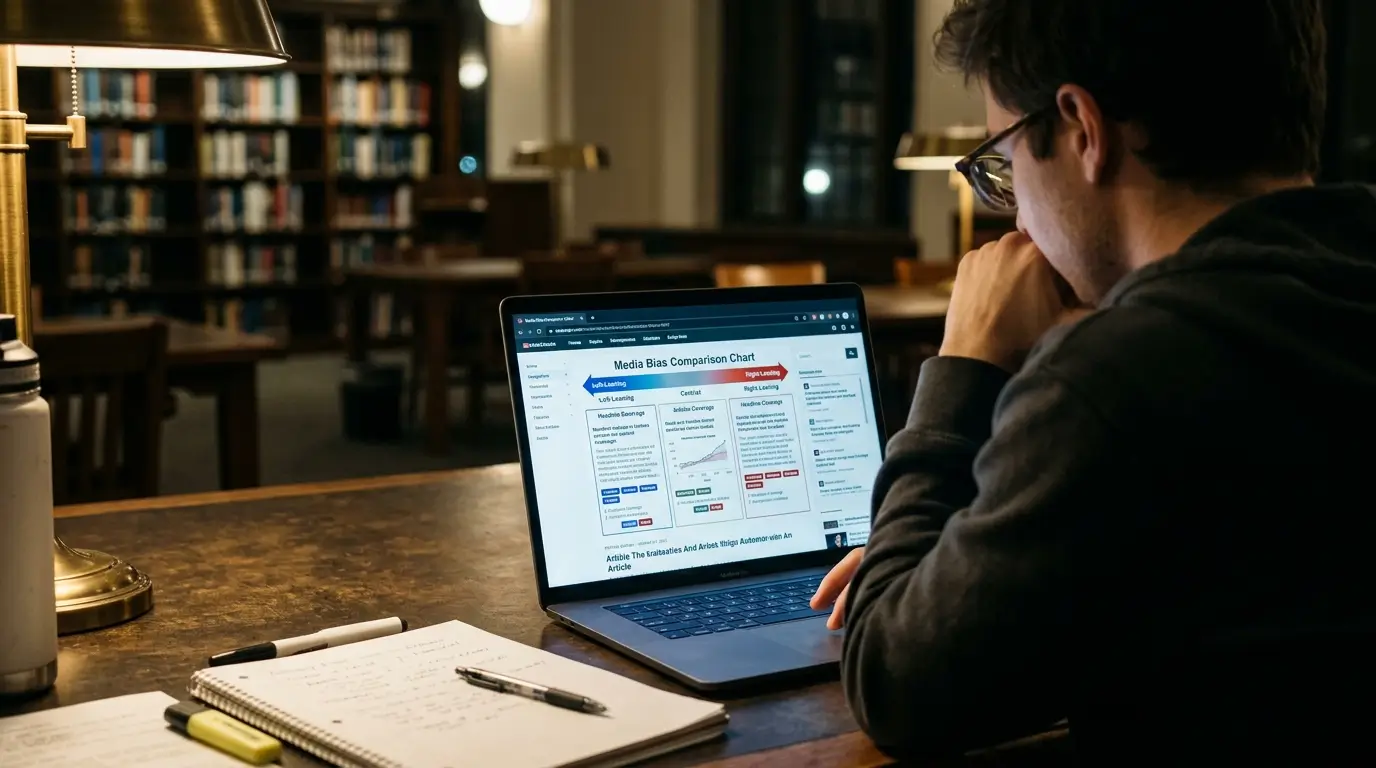
Ground News does something no other app on this list does: it shows you how outlets across the full political spectrum cover the exact same story. Every article comes with a bias rating that tells you whether left leaning, right leaning, and centrist publications are reporting it differently or ignoring it entirely.
I found this incredibly useful during heated election cycles when I wanted to see the full picture instead of just one angle. The free version is limited, but the premium tier is surprisingly affordable with a student discount.
9. The Hustle
The Hustle is Morning Brew’s edgier sibling, and it focuses on tech, startups, and the kind of business stories that actually affect your future career trajectory. The tone is punchy and conversational, with a daily email that takes roughly four minutes to get through from start to finish.
I read this one mostly during my senior year when I was actively job hunting and wanted to sound informed during networking events and career fairs. It is not a general news source, but it fills a specific gap that most other newsletters ignore completely.
10. Flipboard
Flipboard is less of a traditional news source and more of a smart aggregator that lets you build a personalized magazine from hundreds of publishers. You pick your topics, and it curates a visual feed that feels more like browsing a glossy magazine than doomscrolling through a chaotic social media timeline.
The downside is that the quality of articles varies quite a bit since it pulls from so many different outlets. I used it as a supplement to my core sources rather than a full replacement, and that approach worked really well for me.
Frequently Asked Questions
What is the quickest way to catch up on news between classes?
A five minute newsletter like The 1440 or The Skimm is your best bet. You can read either one while waiting for your professor to show up, and you will walk into the room knowing more than most people who spent twenty minutes scrolling Instagram instead.
Are free news apps reliable enough for college research papers?
Free apps like AP News and Reuters are excellent for staying informed, but you should not cite them as primary sources in academic papers. Use them to identify stories, then track down the original reporting or peer reviewed studies through your university library database for actual citations.
Which of the best daily news sources for college students works on a tight schedule?
NPR Up First is the fastest option if you prefer audio, clocking in at exactly ten minutes. For reading, The 1440 takes about five minutes. Both fit easily into a commute or the gap between back to back lectures without requiring any real commitment.
Should I pay for a news subscription as a student?
Honestly, probably not yet. Most of the sources on this list are completely free, and the paid tiers rarely offer enough extra value to justify the cost when you are living on ramen and textbook debt. Wait until you have a steady income before springing for premium plans.
How do I avoid doomscrolling while staying informed?
Set a specific time window for news, like fifteen minutes with your morning coffee, and close the app when the timer goes off. Newsletters help enormously because they have a natural endpoint. Once you finish the email, you are done. No infinite scroll to trap you.
Conclusion
Staying informed in college does not require a journalism degree or two hours of free time you definitely do not have. Pick two or three sources from this list, build a quick morning habit, and you will never walk into a conversation feeling completely lost again. What is your go to news source right now?