
Finding quick news catch up methods for last minute meetings can actually save your professional reputation when your calendar suddenly blows up. You know that horrible sinking feeling. Your boss sends a random invite five minutes before the hour. Everyone else somehow knows exactly what just happened with a major competitor. You are sitting there frantically refreshing Twitter and hoping nobody asks for your opinion.
1. Scanning Industry Specific Morning Newsletters
Opening your inbox to a curated list of top stories is the ultimate survival tactic. A dedicated morning newsletter condenses hours of scrolling into a readable format you can process in three minutes flat. This works perfectly because professional editors have already done the heavy lifting of figuring out what actually matters.
Keep a separate email folder just for these daily digests so they never get lost in your standard work clutter. Subscribing to something like Morning Brew or industry equivalents ensures you always have a smart talking point ready.
2. Funneling Google Alerts to a Dedicated Folder
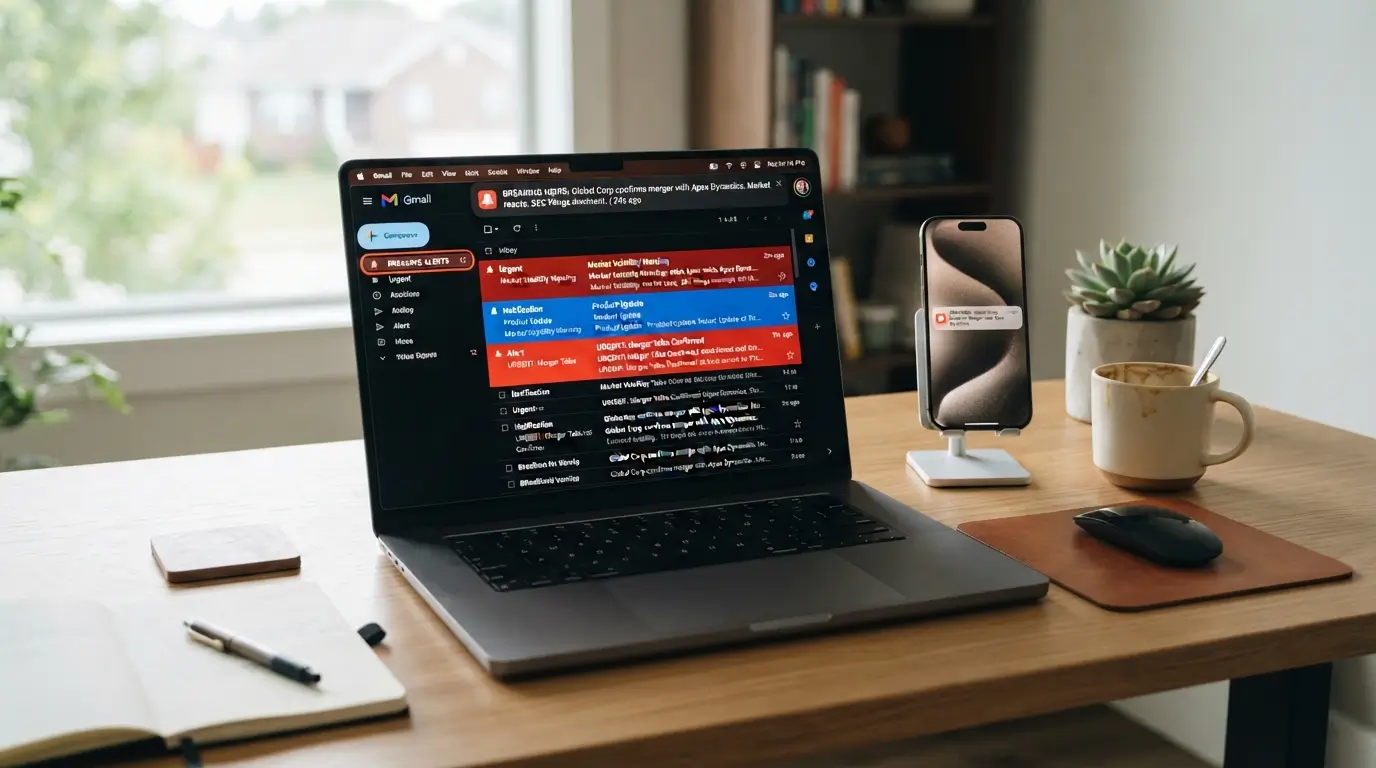
Relying on search engines to monitor your biggest clients automatically keeps you from walking blindly into a disaster. You just set up notifications for specific company names and let the algorithms ping you the moment a story breaks. Having real time updates sent directly to you beats frantically searching the web right before dialing in.
Configure these alerts to deliver “as it happens” rather than in a daily digest format. Seeing a lawsuit or merger announcement pop up thirty seconds before a call makes you look like an absolute genius.
3. Keeping a Lean RSS Feed Reader Open
Old technology often proves to be the most reliable when you need quick news catch up methods for last minute meetings. Setting up an RSS feed pulls headlines from all your essential trade publications into one clean interface without annoying pop ups or paywalls blocking your view. Skimming a raw list of bold headlines takes just a few seconds.
Use a tool like Feedly to group your sources by category like finance, tech, or competitor announcements. You simply click on the most relevant folder right as you join the conference call and scan the titles.
4. Utilizing Highly Curated Social Media Lists
Most social media feeds are absolute garbage fires of useless opinions and memes. Building a private list of key journalists, analysts, and direct competitors filters out the noise and gives you a chronological feed of raw updates. This tactic acts as an incredible real time ticker for breaking events that have not hit major outlets yet.
Pin this specific feed to your browser toolbar so you never have to navigate through your personal timeline first. A quick scroll reveals the exact narrative currently driving the conversation in your sector.
5. Checking Financial Market Summary Widgets
Stock prices tell a story long before the actual press releases get published online. Checking a custom dashboard of ticker symbols for your industry takes one glance and immediately highlights who is having a great day or a terrible one. Red and green numbers provide an instant pulse check on market sentiment.
Also Read: Simple News Reading Plan for Anxious Readers 2026
Keep a finance app widget prominently displayed on your phone home screen. Spotting a ten percent drop in a competitor stock price gives you an instant, highly relevant question to ask your peers right as the presentation begins.

6. Skimming Specialized Internal Chat Channels
Your own colleagues are often the best possible source of curated industry intelligence. Browsing internal chat history is one of the easiest quick news catch up methods for last minute meetings. Most companies have a dedicated channel where employees drop links to breaking events, rumors, and competitor moves throughout the day. This guarantees you know exactly what your team cares about.
Scroll straight to the bottom of the #industry-news channel right as your microphone connects. Borrowing a smart observation that a coworker posted twenty minutes ago is a flawless strategy for sounding completely engaged.
7. Scanning Professional Network Trending Topics
The sidebar of a professional networking site often acts as a perfectly filtered highlight reel of corporate happenings. These platforms aggregate the exact headlines that business leaders are actively discussing and arguing over right now. You get the facts along with the prevailing industry consensus in a single view.
Clicking the news module on LinkedIn reveals brief summaries written by actual editors. Reading just the top three bullet points arms you with enough context to nod along thoughtfully while the senior vice president complains about market headwinds.
8. Automating Quick News Catch Up Methods for Last Minute Meetings
Using an artificial intelligence assistant to summarize long articles changes everything about meeting preparation. You can copy a massive wall of text from a breaking story and ask your bot to generate three key bullet points in plain English. This completely eliminates the need to read a two thousand word editorial while your boss is talking.
Paste the confusing press release into ChatGPT and request a summary meant for a five year old. Grasping the basic concept instantly prevents you from asking a terribly uninformed question in front of everyone.
9. Listening to Micro Podcasts on Fast Forward
Audio summaries are a massive lifesaver when you are physically walking down the hallway to a conference room. Short five minute daily news podcasts provide an excellent overview of macroeconomic trends while keeping your hands completely free. Speeding up the playback lets you absorb an entire morning briefing in under three minutes.
Put one airpod in and set your player to double speed while you grab your coffee. The hosts usually cover the three biggest global stories, ensuring you will not look completely confused if the conversation turns to international affairs.

10. Following Targeted Niche Communities
Message boards dedicated to very specific professions filter out mainstream noise and focus purely on insider chatter. Enthusiasts and professionals often dissect new regulations, product launches, or company scandals long before traditional reporters finish typing their drafts. The most upvoted post at any given moment is practically guaranteed to be the most critical topic.
Bookmark the top specific subreddits related to your field and sort by top posts of the past twenty four hours. Reading the top comment usually provides a brilliant, cynical take you can easily pass off as your own.
11. Browsing Specialized Aggregator Sites
Some websites exist solely to pull links from hundreds of different sources into one minimalist text layout. If you need highly effective quick news catch up methods for last minute meetings, these hubs are incredibly valuable. These platforms strip away autoplay videos, heavy graphics, and advertisements that normally slow down your browser. You get an easily scannable wall of headlines.
Visiting a site like TechMeme or its equivalent for your specific niche gives you the absolute most important stories in bold font. Finding the biggest headline takes literally two seconds before you join the video call.
12. Keeping a Bookmark Folder of Live Blogs
Major events like product launches, congressional hearings, or massive corporate crises often get real time coverage from major publications. A live blog format presents short, timestamped updates that tell you exactly what is happening right this very second. This is infinitely better than waiting for a journalist to publish a fully completed article.
Save the major news outlet live coverage pages directly to your browser favorites bar. Checking the most recent timestamped entry gives you the absolute freshest piece of data possible right before you have to speak.
13. Checking Competitor Press Release Pages
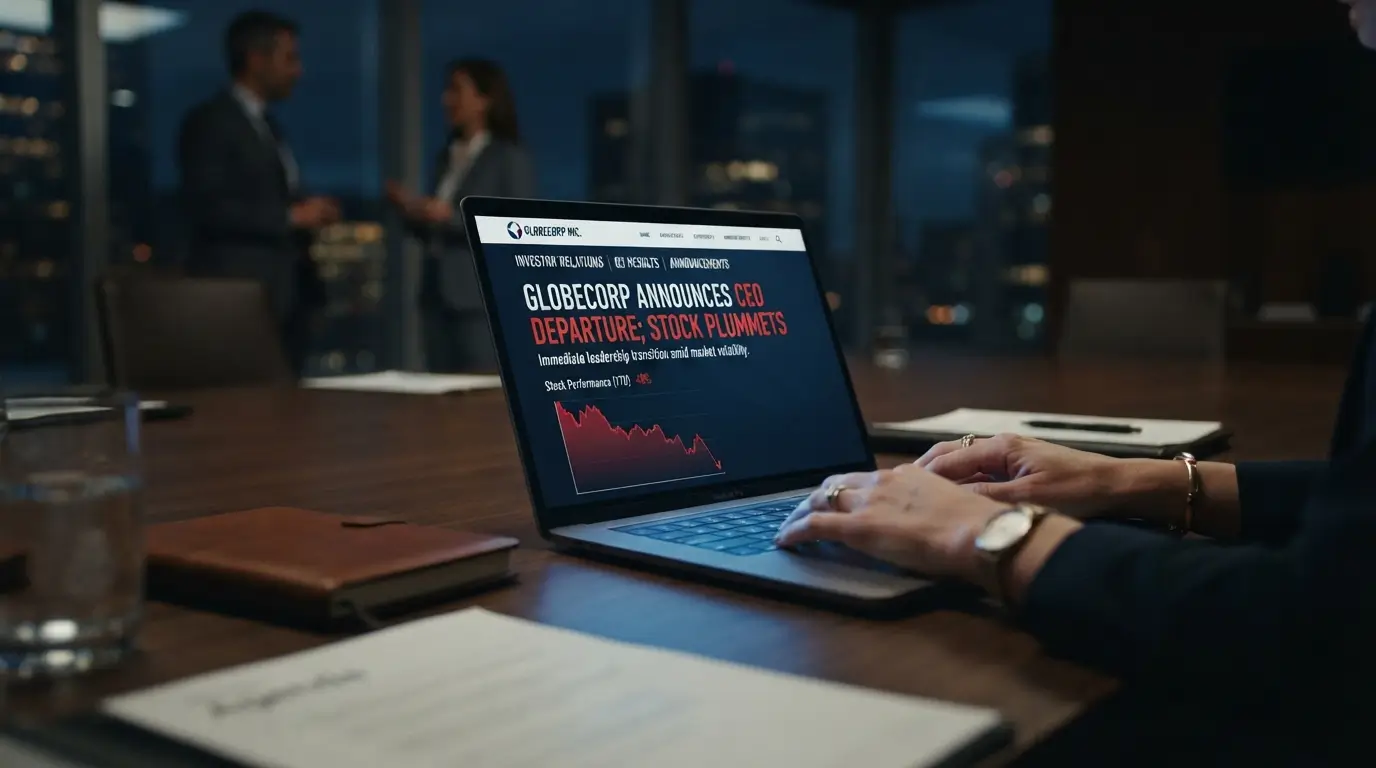
Corporate communications departments always post their official announcements to their own websites first. Checking these direct sources is one of the smartest quick news catch up methods for last minute meetings. Bypassing media outlets and going straight to the source guarantees you see the exact messaging a rival company wants the public to read.
Load up the investor relations page of your biggest rival while the host is making small talk. Spotting a brand new leadership change or product delay right there gives you valuable ammunition for the upcoming strategic discussion.
Frequently Asked Questions
What are the best quick news catch up methods for sudden last minute meetings?
The most effective approaches always involve pre-curated information. Relying on RSS feeds, specialized industry newsletters, and dedicated internal chat channels ensures you never have to actively search for updates. The goal is to have the information automatically pushed to you before the calendar alert even sounds.
How can I read articles faster before a call?
Stop trying to read entire paragraphs. Use artificial intelligence tools to summarize long texts into three simple bullet points. Alternatively, just read the first and last sentence of the opening paragraph. That usually provides enough context to understand the core narrative without getting bogged down in useless details.
Is it okay to admit I missed a breaking story?
Honesty is usually fine, but phrasing matters immensely. Instead of saying you have no idea what happened, mention that you saw the headline but have not reviewed the full details yet. Then, simply ask the room for their initial thoughts. This shifts the focus back to the group instantly.
Should I check social media for professional updates?
Only if you maintain highly curated lists. General social media timelines are far too chaotic for efficient professional research. Building a private list of industry analysts, direct competitors, and specialized journalists creates a highly targeted ticker of breaking events that you can scan in seconds.
Can I use podcasts to prepare for urgent calls?
Audio works wonderfully if you listen to micro podcasts. Pick shows that run under ten minutes and play them at double speed. This tactic is especially useful if you are commuting or physically walking into the office right as the calendar reminder pops up on your phone screen.
Conclusion
Staying informed under pressure does not require hours of dedicated reading. By organizing your information sources ahead of time, you can walk into any room feeling completely prepared and confident. What is your favorite trick for getting up to speed when your schedule suddenly falls apart?
One thought on “Quick News Catch Up Methods for Last Minute Meetings 2026”